Banxico cuts rate to 6.50% in split vote, signals end of easing cycle
The Bank of Mexico cut its benchmark rate to 6.50 per cent in a 3-2 split vote and signaled that the two-year easing cycle is over, even as inflation remains above target and the board is divided on whether the hold will stick.
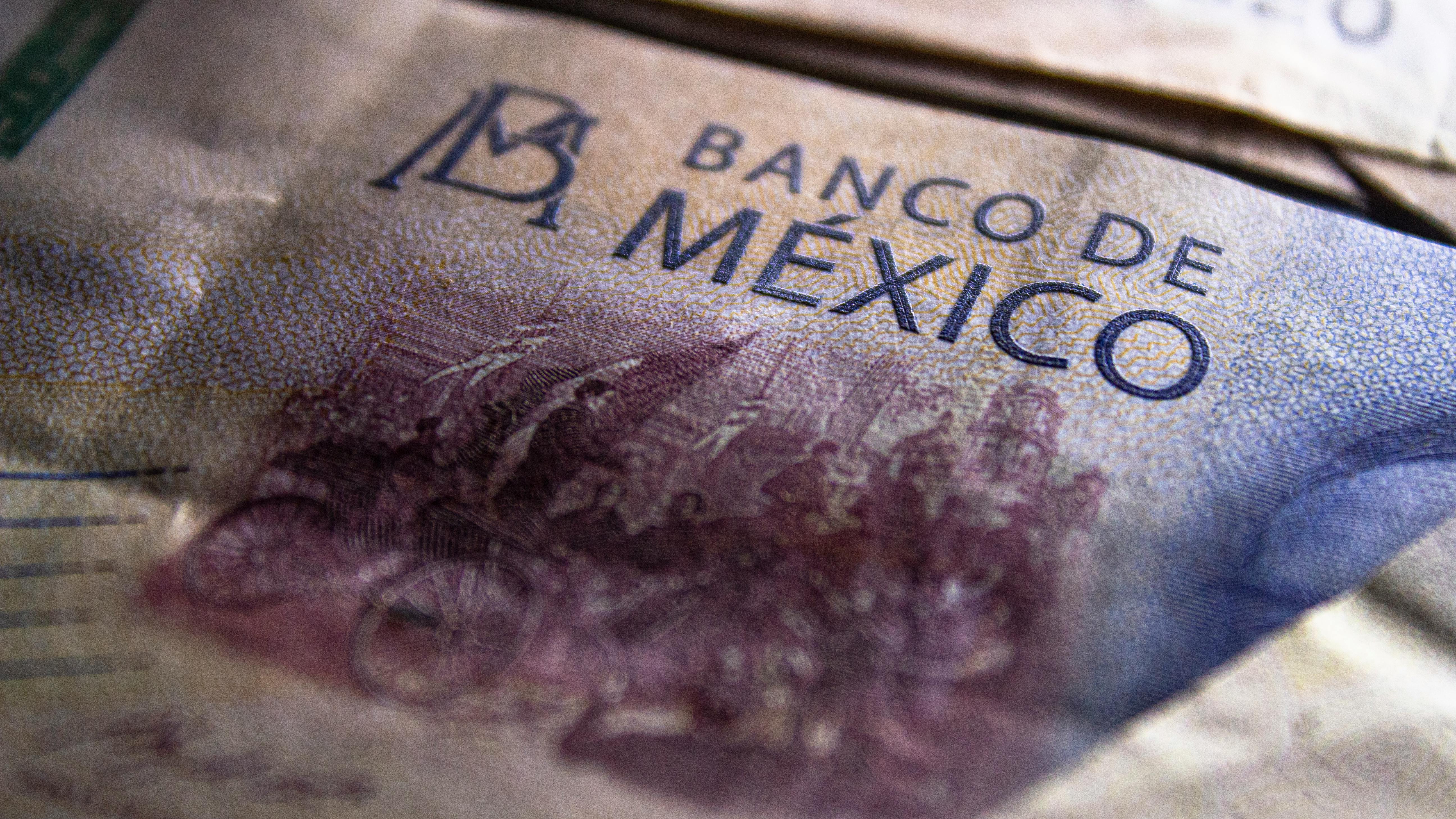
Thursday’s Banxico meeting ended with a quarter-point rate cut to 6.50 per cent. The board voted 3-2. Jonathan Heath and Galia Borja held out for no change at 6.75 per cent.
Governor Victoria Rodríguez Ceja, Omar Mejía Castelazo and Gabriel Cuadra made up the majority. The bank then said it expects to hold rates at this level going forward, a signal that the easing cycle that started in March 2024 is over.
“The Governing Board estimates that it will be appropriate to maintain the reference rate at its current level,” the central bank said.
The policy rate has not been this low since May 2022. Banxico has cut eleven times since it began easing, for a cumulative 475 basis points. The statement went further than usual, explicitly calling the end of the cycle rather than using the bank’s standard data-dependent language.
April’s inflation numbers do not obviously support the cut. Headline CPI ran at 4.45 per cent, core at 4.26 per cent. Banxico targets 3 per cent. It now expects to reach that target in the second quarter of 2027, a later timeline than before. The board said the balance of inflation risks leans to the upside.
Growth numbers have driven the dovish case. Mexican gross domestic product contracted 0.8 per cent in the first quarter, dragged by manufacturing and agriculture. Rodríguez Ceja told senators on April 28 that Banxico had cut its 2026 growth forecast to 1.2 per cent from 1.4 per cent and was weighing “one last adjustment” before pausing.
A Citi survey ahead of the meeting showed 32 of 35 analysts expecting the move, up from 14 two weeks earlier, after the governor’s testimony reset expectations.
The decision is the eleventh in a string that started at 11.25 per cent in March 2024. Banxico has moved in 25-basis-point increments throughout, never accelerating the pace even as the Federal Reserve diverged. That discipline kept the spread between Mexican and US policy rates wide enough to defend the peso through bouts of volatility, including the early-2026 sell-off triggered by US tariff threats on Mexican auto imports.
Peso holds near three-month high
The Mexican peso traded at 17.20 per US dollar in the first week of May, its strongest since late February. Softer oil prices and easing inflation expectations both dragged the dollar lower. USD/MXN stayed near that level through the decision, little changed on the day.
Short-end yields drifted lower. Traders priced the end-of-cycle language into the front of the curve. Longer-dated debt held steadier. Fiscal worries have weighed on Mexican sovereign bonds for most of the year, and Thursday did not change that.
“The accompanying communications were slightly less dovish and point to a slower pace of easing going forward,” wrote Liam Peach, senior emerging markets economist at Capital Economics. Peach has flagged the gap between Banxico’s projections and market pricing as the key tension for the second half.
“It was a mistake to cut the interest rate. It sends a misguided signal and makes the peso more vulnerable,” said Gabriela Siller, director of economic analysis at Banco Base. Siller has argued for weeks that real rates were already low enough given the inflation profile.
Heath and Borja have been the board’s hawks for several meetings. Both cited persistent services inflation and the risk that another peso slide feeds back into prices through tradeable goods.
Late June meeting
The next policy decision falls in late June. The guidance leans toward a hold. The board said it will “evaluate the appropriateness” of further action if conditions warrant.
US tariffs on auto imports announced in March are still working through Mexican supply chains. The Federal Reserve has held rates at 4.00 to 4.25 per cent since February. That narrows the cross-border rate spread and adds pressure on the peso. Either channel could shift the inflation picture.
Banxico’s view is that the easing delivered so far, combined with slower growth, will bring headline inflation back to target. A peso break below 17 per dollar could change that trajectory. An inflation surprise would test the same assumption. The 3-2 vote says the board itself is split on how this plays out.
Swaps on Friday priced roughly 30 basis points of additional easing over the next twelve months. BBVA Research told clients ahead of the meeting to expect “one last cut before moving to the sidelines.” The bank’s statement lined up with that read.
The late June meeting will be the first test of the hold guidance. Banxico left itself room to change direction if the data shifts.
Helena Brandt
Macro reporter covering the Federal Reserve, ECB, inflation prints and jobs data. Reports from Washington.