SEC's Atkins calls on Congress to pass CLARITY Act, modernize crypto rules
SEC Chairman Paul Atkins called on Congress to pass the CLARITY Act and announced a comprehensive overhaul of how securities regulations apply to blockchain-based financial systems, including exchanges, brokerages and crypto vault yield protocols.
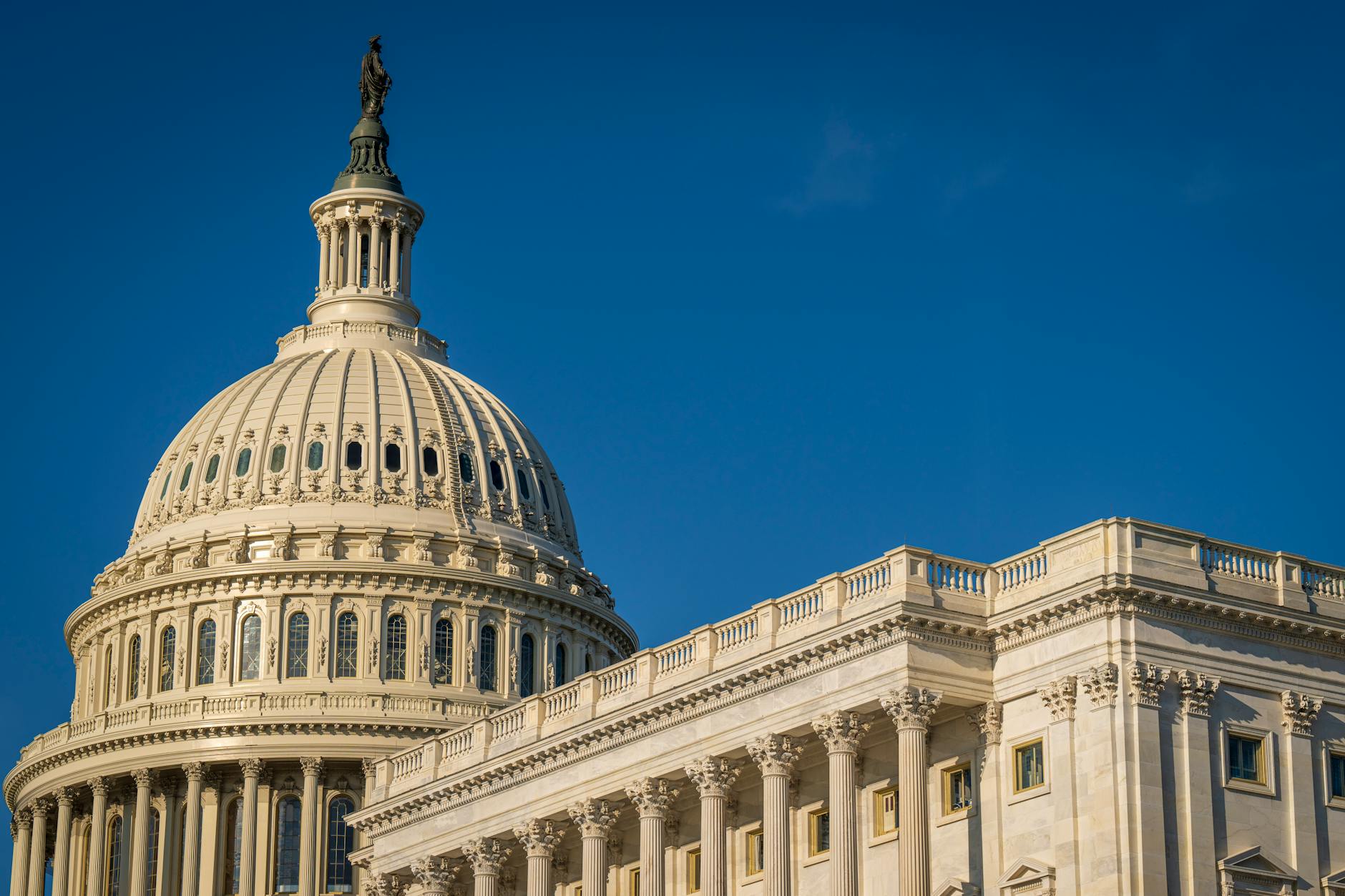
SEC Chairman Paul Atkins called on Congress to pass the CLARITY Act and send it to President Donald Trump for signature, as part of what he described as a “comprehensive modernization process” to adapt securities regulations for blockchain-based financial systems.
Atkins said the SEC is re-evaluating how the definitions of “exchange,” “brokerage,” “trading agent” and “clearing house” apply within the crypto ecosystem, according to remarks reported by BitcoinSistemi. He acknowledged that blockchain systems “operate differently from traditional market infrastructure” and that the current regulatory framework, designed in the 1930s for centralized securities markets, was never intended for decentralized or hybrid models.
The speech marks the most detailed policy roadmap from the SEC under Atkins, who has taken a more industry-engaged approach than his predecessor Gary Gensler. The chairman’s push for legislation rather than enforcement-only regulation signals a strategic shift that could reshape how digital assets are treated under US securities law for years to come.
The exchange question
A central focus of Atkins’ remarks was how to classify crypto trading platforms under existing securities law. The SEC is considering whether decentralized exchanges and hybrid platforms that combine on-chain and off-chain settlement should be regulated as traditional exchanges or treated under a bespoke framework.
Atkins indicated the agency would seek public consultation on the issue before issuing formal guidance, a procedural approach that industry participants have long requested. Enforcement-first regulation, he suggested, had created uncertainty that discouraged innovation without providing meaningful investor protection.
The distinction matters for the hundreds of crypto trading platforms operating in the US. If classified as exchanges, they would face registration and reporting requirements designed for Nasdaq and the New York Stock Exchange. A tailored framework could impose lighter obligations that recognize the technological differences of blockchain-based markets, where settlement and custody are handled by code rather than by centralized clearinghouses.
Brokerage and software interfaces
The SEC is also assessing how brokerage and trading-agent regulations apply to software interfaces that connect users to blockchain protocols. Non-custodial wallets, decentralized application front-ends and staking service providers all sit in a regulatory gray area under current rules, unsure whether they need to register as broker-dealers.
Atkins said the agency is conducting a new assessment of these activities, with the goal of producing guidance that distinguishes between software providers that merely facilitate user access to blockchain networks and those that exercise control over customer assets. The distinction could determine whether platforms like MetaMask and Uniswap’s web interface need to register with the SEC or can operate under existing software exemptions.
Clearing and settlement re-evaluation
The traditional clearinghouse model, which sits between buyers and sellers in securities markets to manage counterparty risk, needs re-evaluation for blockchain-based systems, Atkins said. Since blockchain transactions settle in seconds and counterparty risk is managed algorithmically through smart contracts, the existing clearing framework may be redundant or counterproductive for certain types of digital asset transactions.
The SEC is examining whether blockchain-based clearing and settlement should be exempt from certain clearinghouse requirements, or whether a new regulatory category is needed for algorithmic settlement systems. The outcome of this review could have significant implications for the stablecoin market, where settlement occurs on-chain rather than through Fedwire or similar legacy systems.
Crypto vaults and yield protocols
Atkins addressed blockchain-based yield protocols, often called crypto vaults, which allow users to deposit assets and earn returns through automated strategies. The SEC aims to clarify how these passive-income structures are evaluated under the Securities Act and the Investment Advisors Act.
The classification of yield protocols has been a point of contention between the industry and regulators. The industry argues that many vaults are software protocols rather than investment vehicles requiring registration. Atkins’ remarks suggested the SEC is open to a functional approach that looks at the economic substance of each protocol rather than applying a blanket classification. This could provide relief for decentralized finance platforms that have operated under regulatory uncertainty.
What the CLARITY Act would do
The CLARITY Act, which Atkins urged Congress to pass, would provide statutory clarity on which digital assets are securities and which are commodities. The legislation has bipartisan support in both chambers but has stalled over disagreements on the scope of SEC versus CFTC jurisdiction.
If passed, the act would resolve one of the most fundamental ambiguities in crypto regulation: whether tokens like Ether, Solana and the thousands of smaller altcoins fall under SEC or CFTC authority. That determination has been the subject of years of regulatory wrangling and conflicting court rulings, including the high-profile Ripple case that produced a split decision on programmatic sales.
Atkins’ public endorsement of the legislation gives it a significant boost. As SEC chairman, his support signals that the agency is prepared to cede some of its jurisdictional claims in favor of a legislative settlement that provides market participants with clear rules.
Market reaction
Crypto markets showed little immediate reaction to Atkins’ remarks, with Bitcoin trading near $81,000 and ether around $2,400 on Friday. The muted response reflects the fact that the CLARITY Act has been pending for months and that legislative timelines remain uncertain in an election year.
However, industry participants welcomed the speech as a positive signal. The shift from enforcement-led regulation to legislative engagement, combined with the SEC’s willingness to tailor rules for blockchain-specific structures, represents a material change in the regulatory environment for digital assets. The next milestone is whether Congress advances the CLARITY Act before the summer recess. Atkins’ call to action adds momentum but does not guarantee passage in a crowded legislative calendar.
Tomás Iglesias
Financial regulation and legal affairs. SEC, CFTC, FCA, market-structure and enforcement. Reports from Washington.