SoundHound (SOUN) shares slide 12% after Q1 beat as LivePerson deal weighs
SoundHound AI fell 12.4% to $8.46 after-hours despite beating Q1 revenue estimates. The drop reflects acquisition-related dilution and execution risk on the LivePerson deal more than disappointment with the headline numbers.

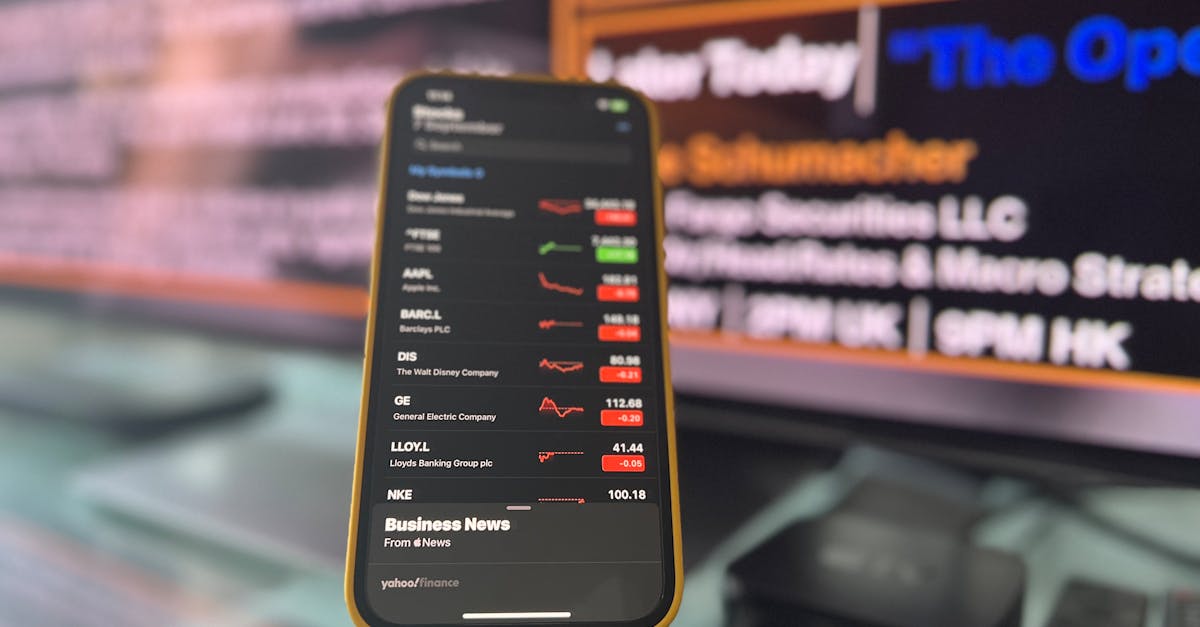
SoundHound AI (SOUN) shares slid 12.4 per cent to $8.46 in after-hours trading on Wednesday, the day the voice-AI company posted record quarterly revenue of $44.2m and reminded investors how much it is spending to chase its agentic-AI ambitions. The first-quarter print was up 52 per cent year on year and ahead of the $42.74m consensus tracked by StockStory. The numbers were good. The market wanted better.
Two announcements landed alongside the earnings. SoundHound disclosed a definitive agreement to acquire LivePerson, a digital-messaging vendor, with closing flagged for the second half of 2026. The same release introduced OASYS, which the company describes as a self-learning agentic-AI platform. Both extend a strategy SoundHound has pursued since the 2024 Amelia integration. Both come with cost.
What the print showed
GAAP net loss for the quarter widened to $25.0m. Non-GAAP loss came in at $26.6m. Per-share loss landed at $0.06 on both bases, in line with the company’s own reconciliation in its release on GlobeNewswire. Adjusted EBITDA was a $26.7m loss. Stock-based compensation contributed $19.9m to operating costs. Acquisition-related expenses, a fast-growing line item, ran $4.9m for the period.
The gross margin gap is where the integration drag shows up. GAAP gross margin was 31.1 per cent; the non-GAAP figure the company prefers to cite was 49.7 per cent. Most of the wedge is amortisation of intangibles from prior deals, which ran $5.0m in Q1. SoundHound has bought its way into adjacent verticals over the past two years and the income statement is still wearing the bill.
Net cash used in operations was $26.3m. The company ended Q1 with $216m in cash and no debt. That balance sheet, more than the loss line, is what management leaned on during the post-earnings call.
How the LivePerson deal lands
The LivePerson agreement was announced on 7 May. SoundHound puts the combined revenue opportunity at about $500m, drawn from existing customer relationships in more than 30 countries. The company projects 2027 revenue of $350m to $400m once LivePerson is contributing. Full-year 2026 guidance, set before the deal closes, was reaffirmed at $225m to $260m.
SoundHound sells voice and conversational AI into automotive OEMs, quick-service restaurants, healthcare networks, banks and utilities. LivePerson layers digital messaging on top of that book. To enterprise buyers, the offer becomes a single stack of voice plus chat with one agentic layer above it.
The harder question is execution. LivePerson is a turnaround property with its own customer-retention issues. Combining two sales motions is expensive even when the strategic case looks clean. The 12.4 per cent fall after the print reflects that arithmetic more than dissatisfaction with the headline numbers. The reaction echoes the cautious read investors gave AppLovin’s beat the same week, where execution risk on a platform expansion outweighed clean results.
What CEO Keyvan Mohajer said
CEO and co-founder Keyvan Mohajer used the release to push the platform story. “SoundHound started the year strong with our top line growing 52 per cent. Our launch of OASYS and our planned acquisition of LivePerson will bring the world’s first self-learning agentic AI platform to enterprise customers,” Mohajer said. SoundHound has positioned itself this way since the Amelia integration: not a voice vendor but the orchestration layer above one.
CFO and co-founder James Hom was more operational. “Our rapid innovation positions us for scale while setting us up for massive cost benefits in future years,” Hom told analysts on the post-earnings call. His pitch is that integration costs front-load while platform leverage compounds. Cash burn next quarter will be the test.
The operating mix
Core automotive and IoT revenue grew 88 per cent excluding acquisitions. That figure is aimed at investors who suspect the headline 52 per cent number is bought rather than built. Both can be true. The business is scaling its core products while absorbing acquired revenue lines, and the LivePerson deal will accelerate that pattern.
Customer-base disclosures referenced deployments across vehicle OEMs, drive-thru QSR chains, dermatology and pharmacy networks, banks, credit unions and broadband providers. Voice and conversational AI sells horizontally now. OASYS is meant to make that selling cheaper.
What’s next
Three items go on the watchlist. Closing certainty for LivePerson, given regulatory review timelines for cross-border tech deals. The cash-burn trajectory, with the $216m balance acting as cushion against any slip in the integration window. And the path of organic growth net of the acquired book, which the 88 per cent core figure was meant to anchor.
A 12.4 per cent fall on a beat is rarely about the quarter just gone. It tells you what the market thinks the next four quarters will cost.
Avery Lin
Markets editor covering US equities, single-name stocks and quarterly earnings. Reports from New York.