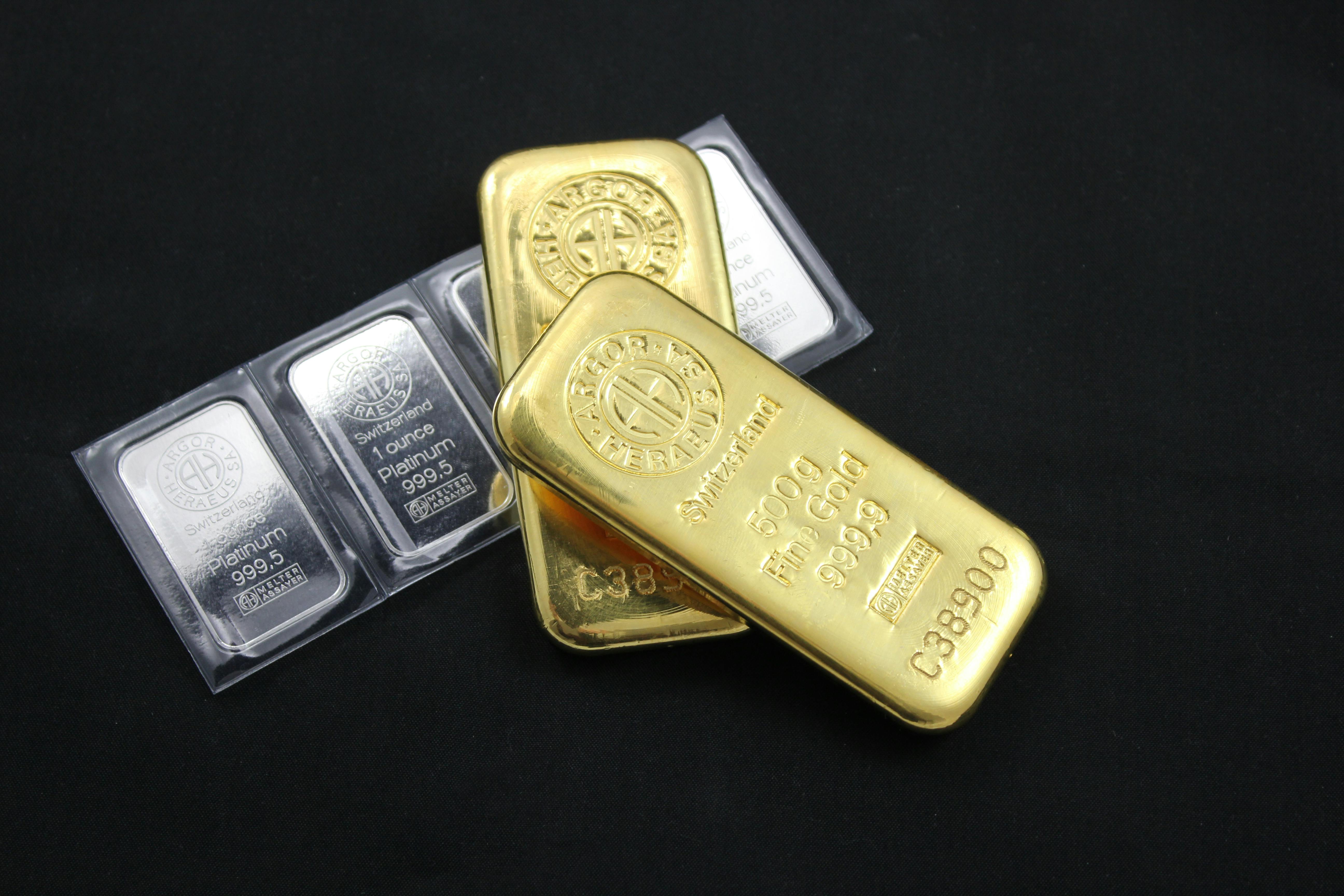
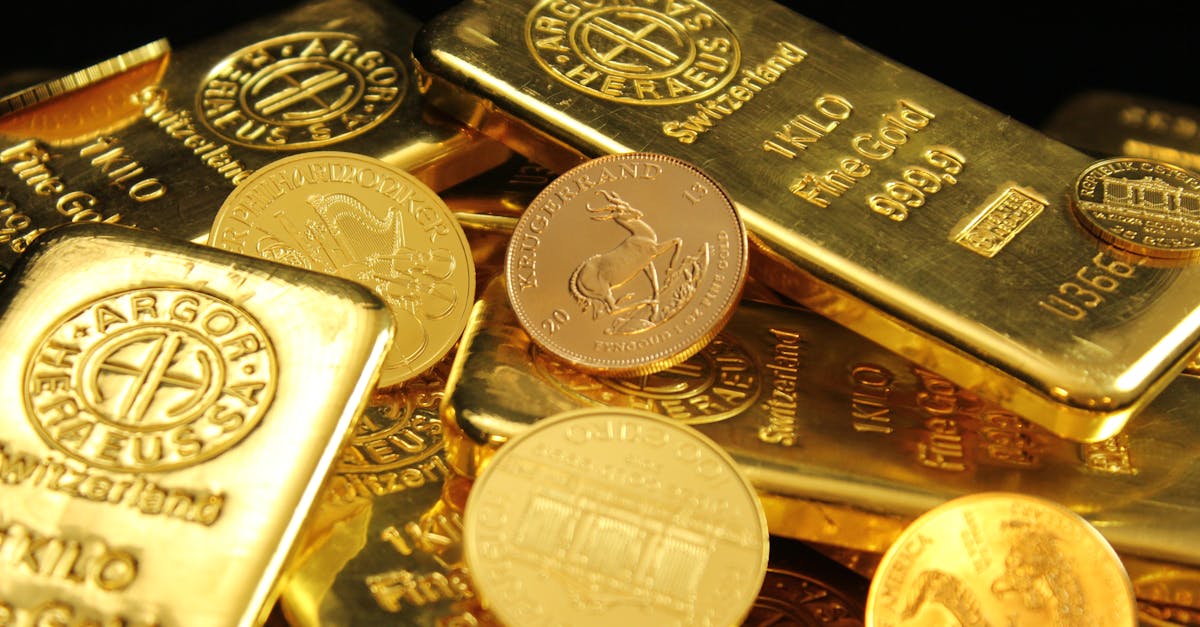
Gold bucks safe-haven status with 14.5 per cent decline since Iran war began
Gold has fallen 14.5 per cent since the Iran conflict started, defying its traditional safe-haven status as the oil shock suppresses rate cut expectations and pushes real yields higher.

Gold has fallen 14.5 per cent since the Iran conflict began on February 28, a decline that defies its traditional reputation as a safe-haven asset and underscores how deeply the metal’s price drivers have shifted.
Over the same period, the S&P 500 dropped 7.8 per cent and the FTSE All-World index fell 9 per cent. The conventional playbook would have gold rallying as equities sold off. Instead, the metal slumped roughly $1,500 from its January peak before stabilizing near $4,700.
Why gold is not acting as a safe haven
The explanation lies in what the Iran war has done to oil markets. Brent crude has surged more than 50 per cent since late February and remains above $100 a barrel. Higher energy prices feed into broader inflation, which has climbed roughly a percentage point above the Fed’s 2 per cent target.
‘Gold has become a real rates trade, not a fear trade,’ Morgan Stanley analysts wrote in a research note. Higher oil-driven inflation suppresses expectations for interest rate cuts, keeping real yields elevated. For a non-yielding asset like gold, higher real yields raise the opportunity cost of holding it, pushing prices down even as geopolitical risk spikes.
The CME FedWatch tool now puts just a 5.1 per cent probability on a June rate cut, with 94.9 per cent odds that rates stay at 3.50 to 3.75 per cent. Morgan Stanley expects two 25-basis-point cuts in January and March 2027, later than the market had priced before the conflict.
Central bank demand remains strong
Despite the price weakness, structural demand for gold has never been stronger. The World Gold Council reported Q1 2026 total demand of 1,230.9 tonnes, a record, up 2 per cent year on year. Central bank net purchases hit 244 tonnes in the quarter, up 3 per cent. Bar and coin demand reached 474 tonnes, the second-highest quarterly figure on record and 42 per cent above last year.
Central banks and investors now account for roughly 52 per cent of total gold demand, compared with about one-third a decade ago. China, which paused its reserve accumulation in the second half of 2025, resumed buying 5 tonnes in March. Turkey monetized 118 tonnes in the same month, a sign that reserve managers continue to rotate away from dollar-denominated assets.
‘Broadening and deepening central bank demand provides a structural floor under prices,’ Saxo strategist Ole Hansen said. The three-year post-Ukraine pattern of central banks buying more than 1,000 tonnes annually has established what analysts call a ‘central bank put’ for gold.
Where gold goes next
Gold traded near $4,718 on Friday, up 0.6 per cent on the session and headed for a 2.25 per cent weekly gain. Technical resistance sits at $4,780, the 50-day moving average. A sustained break above that level would open a path toward $4,900 and then $5,000, according to Morgan Stanley, which holds a $5,200 year-end target.
The bear case centers on further escalation. If Brent pushes above $105 and the Fed is forced to hold rates higher for longer, gold could retest $4,500. A daily close below that level would expose $4,441 and then $4,376, with a worst-case extension to $3,811 per the Morgan Stanley measured-move target.
For now, the metal is caught between the structural tailwind of central bank buying and the cyclical headwind of real rates. The resolution hinges on the same variable driving every macro trade this year: whether the Iran conflict escalates or de-escalates.
Reza Najjar
Commodities desk covering oil, natural gas, gold and base metals. Reports from London.