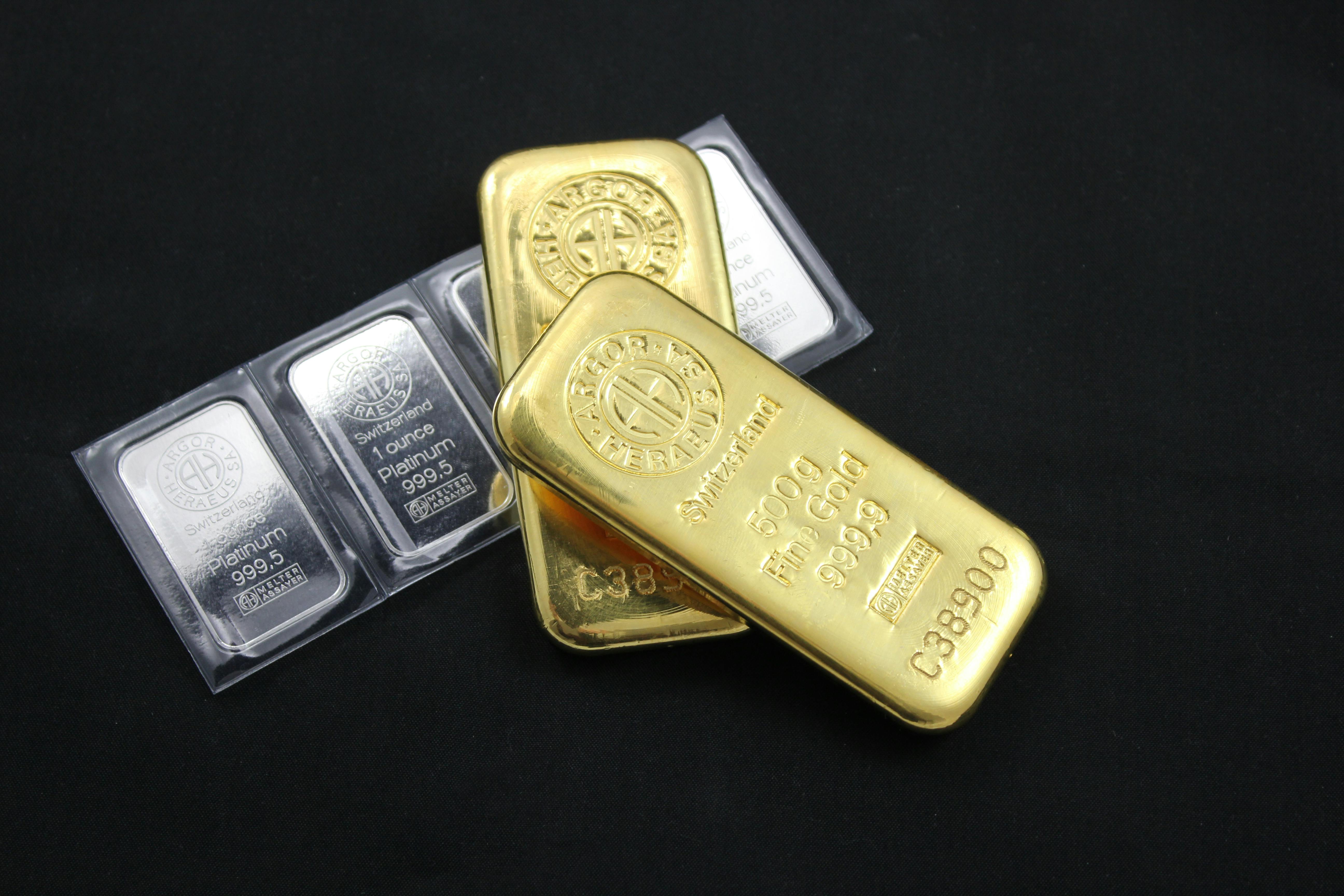
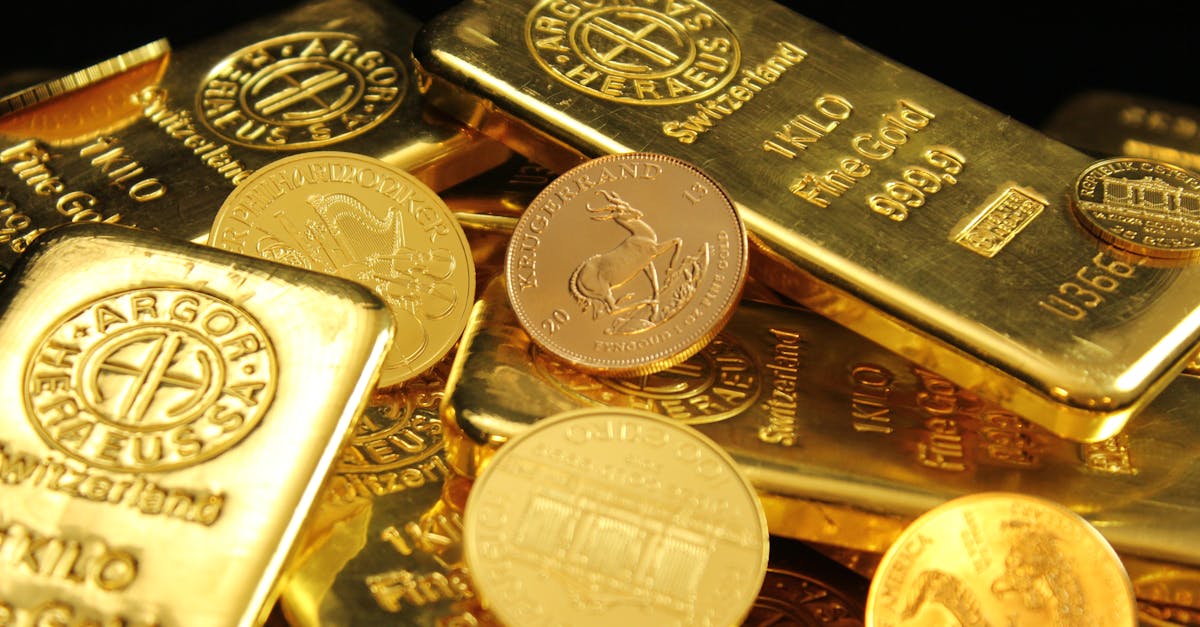
Gold heads for 2.1% weekly gain on US-Iran de-escalation hopes
Gold rose to $4,709.89 an ounce on Friday and was on track for a 2.1% weekly gain as growing optimism over a US-Iran resolution lifted the metal, though one analyst said it is trading more like a risk asset than a traditional safe haven.

Gold climbed to $4,709.89 an ounce on Friday and was on pace for a 2.1 per cent weekly gain, driven by mounting optimism that the US and Iran are moving toward a resolution that would ease geopolitical risk across the Middle East.
US gold futures settled at $4,719.60, up 0.2 per cent on the day, according to data from The Caspian Post. The advance pushed the weekly return into positive territory after a mixed start to the period, as traders weighed the potential economic impact of a de-escalation in the Strait of Hormuz conflict.
David Meger, director of metals trading at High Ridge Futures, described the price action as unusual for a geopolitical crisis. “Gold is trading more like a risk asset than a traditional safe haven at the moment,” Meger said in a note. “The recovery in gold prices is linked to expectations of de-escalation involving Iran.”
The observation underscores a shift in how markets are pricing the metal during this conflict cycle. Gold has historically rallied during geopolitical shocks as investors sought a store of value outside the reach of governments and financial systems. During the 2022 Russia-Ukraine invasion, gold surged roughly 8 per cent in the first month. During the 1990 Gulf War, bullion prices spiked as much as 15 per cent in the days after the Iraqi invasion of Kuwait. This cycle has been different: gold sold off after the initial US-Iran exchange in late February and has struggled to regain its crisis premium.
The de-escalation trade
The weekly gain reflects a rebound from the lows reached in late March, when gold traded below $4,300 an ounce. The recovery accelerated in recent days as diplomatic signals from both Washington and Tehran suggested a willingness to return to the negotiating table, with media reports indicating that indirect talks mediated by Oman had produced tentative progress on a framework for de-escalation.
Oil prices, which had surged above $102 a barrel after the most recent Hormuz exchange, retreated as the de-escalation narrative gained traction. The correlation between falling crude and rising gold is unusual in a Middle East context, where the two have historically moved in the same direction during conflict episodes. The divergence reflects the specific nature of the current market dynamics, in which investors are rotating out of crude on supply-disruption relief while returning to gold on the view that a resolution would remove a drag on global growth.
Meger’s characterization of gold as a risk-on asset in the current environment reflects a market that is pricing the end of the conflict rather than its continuation. A resolution would remove a source of uncertainty that has weighed on business investment and consumer confidence, potentially supporting economic growth and risk assets broadly. For gold, the implication is that its recent gains are built on a macro improvement thesis rather than the traditional safe-haven bid.
The macro backdrop
The gold trade this year has been dominated by the interplay between the Iran conflict, Federal Reserve policy and the US dollar. The Fed’s holding pattern on interest rates has removed one source of downward pressure on gold, since higher rates increase the opportunity cost of holding non-yielding assets. The central bank has kept its benchmark rate in a range of 4.25 to 4.50 per cent since December 2025, and Chair Jerome Powell has signaled the committee is in no rush to cut.
But the dollar has remained firm, limiting gold’s upside. The DXY index has held above 103 for most of the year, supported by safe-haven flows tied to the Middle East conflict. A de-escalation with Iran could weaken the dollar’s safe-haven bid, providing a further tailwind for gold in the near term. The weekly gain suggests the market is beginning to price that scenario, even if the diplomatic outcome remains uncertain.
Treasury yields edged lower on the week, with the benchmark 10-year note slipping several basis points as the geopolitical risk premium moderated. Lower yields reduce the competition for gold as a store of value and support the case for further gains. Real yields, which adjust for inflation, also declined, improving the relative appeal of gold versus inflation-linked bonds.
What comes next
Gold’s trajectory in the coming weeks depends on whether the diplomatic signals translate into a tangible agreement. A formal ceasefire or truce in the Strait of Hormuz would likely trigger a further rally in gold as the safety trade rotates back into the metal from the dollar and Treasuries. Some analysts have suggested gold could test the $5,000 level if a comprehensive peace deal is reached, removing the conflict risk premium entirely from currency and bond markets.
A breakdown in talks would reverse the weekly gain and could push gold back toward the $4,300 level, the low reached in late March when hostilities were at their peak. The metal remains sensitive to headline risk from the Middle East, and the current rally is built on expectations rather than confirmed outcomes. Any military escalation would likely trigger a sharp reversal, with gold falling alongside other risk assets as it did in the immediate aftermath of the February strikes.
For investors, the gold trade has become a proxy for the broader geopolitical outlook. A sustained move above $4,800 would signal that the market has conviction in the de-escalation narrative. A drop below $4,500 would indicate that the diplomatic window has closed and that conflict is the baseline expectation. For now, the 2.1 per cent weekly gain represents a measured bet on the former. The next move will come from events on the ground in the Gulf.
Reza Najjar
Commodities desk covering oil, natural gas, gold and base metals. Reports from London.